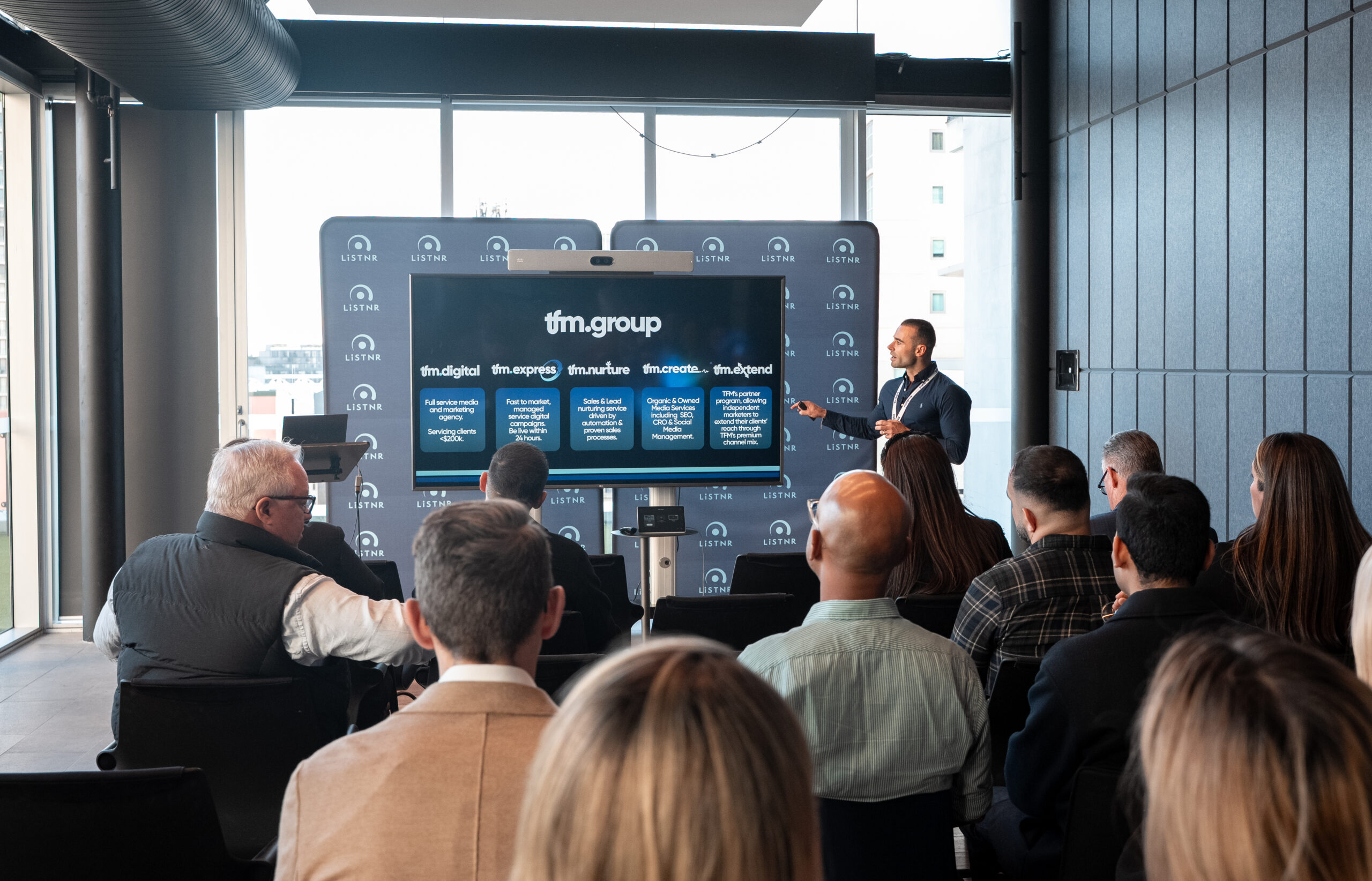

As a leading multi-location and franchise marketing agency, TFM has focused a lot of energy on analysing patterns in multi-location marketing and understanding the unique challenges that brands face at each location. While a brand’s look may be the same across all locations, the way each location operates, acts and interacts with its individual communities and competitors creates vastly different challenges. Multi-location brands that realise those differences and tailor their marketing accordingly typically experience much larger growth than others.
What is Multi-Location Marketing?
Before we look at the seven marketing trends for multi-location businesses, understanding what multi-location marketing is and how it differs from location-based marketing is imperative. Multi-location marketing is creating a consistent national brand that maintains strong local relevance at each location through differentiated marketing strategies.
In today’s world, digital marketing is constantly evolving and changing. The flexibility digital marketing allows is brand access to data on location performance and quicker response times to the needs of individual locations. Brands that can distribute budget and attention across locations are the ones that are consistently experiencing sustained levels of demand across their entire network.
1. Anchor Each Location’s Visibility With Local SEO
When looking for nearby services and products, many consumers turn to local listings (i.e. Google Maps) for guidance. Brands that have taken an approach of viewing their locations as individual search assets (and not just one central page) significantly outperform those that do not.
Those who do well invest in:
- Individualised pages with comprehensive content for each location
- Keywords specific to their locations that represent actual search patterns
- Active and Updated Google Business Profiles
- Timely and authentic review management
As the digital presence of each location becomes more authentic, the entire network of locations performs even better.
2. Programmatic Media Adapted To Each Location
With programmatic advertising, multi-location brands can better analyse their customers’ behaviours based on where they live. Programmatic media detects which messaging and communication times yield positive effects in each region.
Some of the most popular insights brands have learned include:
- Best hours of conversion for certain suburbs
- Different suburbs’ responses to different value propositions
- Increases in localised interest spike immediately after an event or a weather-related occurrence
By using programmatic advertising for all locations, brands can maximise the return on investment while still meeting local stores’ needs.
3. Social Content that Converts the National Brand to a Local Level
Creating social media content that supports a national presence (i.e. educating consumers about the company) helps to build brand identity; however, creating social media content that reflects a store’s presence in its community assists stores in promoting sales or other business activities in its area. Customers expect their neighbourhood store to be visible, active and engaged in the community.
The best social marketing strategies are:
- Pictures from locations included in the content
- Staff introductions to build rapport with customers
- Local promotions that are tied to real-life community events
- Quick responses to comments made on local pages by customers
When a brand’s local pages are active, engaged and connected to the community, the customers see the brand as part of their neighbourhood, not just as a company located outside of their neighbourhood.
4. Google Ads based on suburb-level search intentions
Search patterns can vary dramatically from one suburb to another. A suburb can look for price-sensitive products, have an urgent need for a product or have loyalty to a product. Running one national campaign does not capture these nuances.
Brands that have increased their results have:
- Created separate campaigns based on geographic areas
- Matched landing pages to their closest physical store
- Reduced wasted spending on irrelevant searches
- Changed bid amounts based on local competition
The result is improved quality of the leads and more predictable store-level results.
5. Local Organic Content
While organic content remains a primary driver of brand visibility, local organic content is especially important as it is written from the perspective of a local customer. Customers search for answers related to where they live, what they do and what challenges they encounter in their local neighbourhood.
Strong examples of this include:
- Suburb-specific guides
- Describing local services
- Individual stores’ stories and celebrations
- Information related to frequent local searches
As the local content becomes more relevant to the audience, more people will engage with and rank the local content higher.
6. Store-Level Decision-Making Based on Data
The biggest change happening right now is the growth of standardised reporting systems designed specifically for multi-location businesses. Marketing departments can now leverage dashboards instead of relying solely on spreadsheets to easily view everything that is occurring with their business across their entire franchise.
The various types of systems that are leading the way include:
- Dashboards showing individual store performance
- Geographic heat maps indicating both the stronger and weaker-performing areas
- Real-time quality of leads and channel insights
- Alerts when one of your stores falls out of typical performance levels
- The development of attribution models specifically based on the behaviour of multi-location businesses
With this clear view of your business, brands have the ability to get support to struggling stores sooner and to build confidence in scaling successful stores. As you can see, there is a clearer foundation for decisions rather than relying on guesswork.
7. Reputation Management for Multi-Location Brands
Reputation influences consumers’ decisions more than any other factor within the competitive landscape, especially within multi-location businesses. If one of the locations in a franchise is below average in terms of service, it will negatively impact a customer’s view of the entire franchise, even if all of the other locations provide exceptional service.
Today’s consumers are looking for:
- The tone of your response
- The speed of your response
- Evidence that you can truly help them resolve their issues
- A pattern of how you respond across all locations
When every location within your franchise manages their reputation consistently and with utmost care, this builds a level of trust at both the local and national levels.
How TFM Elevates Multi-Location Brands
Multi-location marketing is at the very core of what TFM does. Since the beginning, we have focused on helping franchise and multi-location brands achieve the highest possible level of success in local area marketing while maintaining a strong, consistent national brand presence.
How do we approach this? TFM believes that every location must be visible in the areas in which it operates and that the brand should have a unified voice across every point of contact with its customers. When TFM can help connect these two aspects, customers will clearly recognise the brand and engage with that brand at the moment that matters most.
TFM was founded to correctly balance the need for local area marketing with the ability for brands to reach their audience where it is most important: in the local areas that drive their revenue. Contact TFM today to elevate your brand’s multi-location marketing.